
Que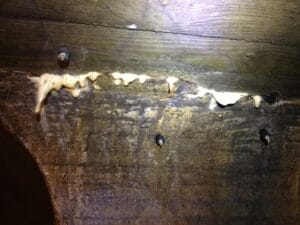 stions regarding the pressure (or psi) created by the expansion of polyurethane grouts during crack injection are common. Single component polyurethane grouts are designed to react with existing moisture in the crack or joint. This reaction produces a small amount of carbon dioxide gas that is trapped in the cell structure of the polymer. For most molding or injection applications, the pressure generated by the expanding polymer is very low, often under 10 psi. This relatively low psi is due to the fact that the material can flow along the crack or into voids.
As experienced installers know, the injection is often carried out in relatively small areas so that the total force on the wall or floor from the grout expansion is minimal. Installers need to monitor both the quantity being pumped and the pump pressure. Pump pressures are typically much higher (1000 – 3000 psi) than the pressure generated by the expanding polymer. Installers should always start at a low pump pressure (~250 psi) and slowly work their way up to the minimum pressure needed to move the resin through the packer and into the crack. Far more damage can occur from pumping at an excessive pressure than the minimal pressure created by reacting grout.
Personal Protective Equipment (PPE) should always be worn when working with chemical grouts, especially when increasing pump pressure. If you have any concerns regarding pressures created during the reaction process or ideal pump pressures, contact a Mountain Grout technical representative to discuss your specific application.
Recent Comments